Reversing the Missionary Position: Documentary recounts the experience of GR activist involved in the Central American Solidarity Movement

(Disclosure: This documentary is based upon a book written by the same person who hosts the Grand Rapids People’s History Project, Jeff Smith)Screen Shot 2015-10-07 at 3.13.57 PM

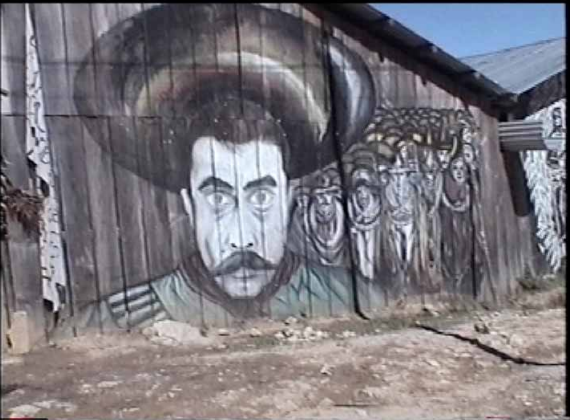
In 2003, I wrote a book about my experiences doing Central American Solidarity work, Sembramos, Comemos, Sembramos: Learning Solidarity on Mayan Time.  As the insurgent movement for justice in Oaxaca, Mexico in 2006, I got the idea of working on a documentary about my experiences while doing solidarity work in Guatemala and Mexico. I finished the film that fall and we screened the film at the Wealthy Theater and donated the ticket sales to one of the groups involved in the uprising in Mexico, the Popular Assembly of the People’s of Oaxaca, also known as APPO

The title of the film, Reversing the Missionary Position, is taken from the introduction of my book and meant as a challenge to the pervasive notion that those of us in the US are superior to people in other countries and that our role is always to “help those people” who are struggling. One thing I was trying to communicate in the film was to say (using religious language) that it was I who evangelized, it was I who was converted, it was I who was transformed by doing this work.

The film covers the period from 1988 through 2001 and is 55 minutes long.

Posted in Central American Solidarity Movement | Tagged , , , , | Leave a comment

Our history tells us to speak up and current events motivate us to act up – An Interview with Barb Lester

When did you first get involved in the Nuclear Freeze Campaign and what motivated you to get involved?image1
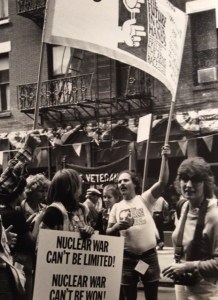
I remember the exact moment I became involved in Nuclear Freeze Campaign.  In the spring of 1982 I saw a photo on the front page of the Grand Rapids Press reporting on an antinuclear march that took place in downtown Grand Rapids.  Seventeen-year-old Louie Villaire, was carrying a nuclear “bomb” and I thought “finally, someone is doing something about the insanity of the arms race”. The march through downtown was one of the first in a series of events that would draw me into the local discussion about the nuclear arms race that was out of control and endangering the entire planet.  Within a week I became involved with the Ground Zero Project, an effort to educate people about the dangers of nuclear weapons. 

What kinds of activities were you involved in and what kind of training was there to assist to in the work that you were doing?

That article included an announcement of a meeting for people interested in getting involved in the Ground Zero Project.  The Project was sponsored by a local Physicians for Social Responsibility group and the meeting was held at Saint Mary’s Hospital.  Attending that meeting was the beginning of my involvement in local and state political issues related to stopping the arms race. The Ground Zero Week Project had one or two paid staff.  Bruce Triemstra was the primary coordinator and Margi Derks worked with him to maintain an office and recruit, train and manage volunteers and coordinate the educational events.

I was one of those volunteers and worked hard to learn about the issues and also hit the streets of Grand Rapids gathering petition signatures and distributing information on the arms race.  I also worked on some of the events. 

The first event I worked on was a media tour of places in Grand Rapids that would suffer in a nuclear “hit”.  I was responsible for producing large posters with the Ground Zero logo for 3-5 locations.  This was in 1982 before computerized graphics were easily produced and available quickly and cheaply.  I bought the supplies and worked all night long to design and construct the posters.  I did not like the national Ground Zero logo so I redesigned it so it looked like a circular target with a large, pointed arrow aimed at the center. The official logo was similar, but to me it looked weirdly like Satan’s tail. My suggestion to redo the logo was not supported, but I did it anyway. 

At 6:30 a.m. the posters were done and I drove around and installed them at predetermined places. One was on the Calvin College campus, another on the Monroe Mall, downtown.  The posters described how many people would be killed in a nuclear strike and other scary factsFreeze Sue Hartman
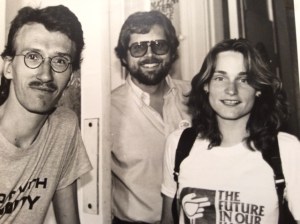
There was no in-depth training for volunteers because there was no time for it.  I learned by osmosis.  I attended dozens of meetings and listened and read as much as I could to develop a base of knowledge on the issue.  Every activity from organizing tactics to discussions/arguments about actions to take was an opportunity to learn. I sometimes felt unprepared and not knowledgeable, but the organizers and other volunteers were supportive, kind and inclusive.  I came to feel that I was a contributor and helpful to group goals.  There were a lot of college students who volunteered hundreds of hours that spring and summer.  Diane Stoneman, Sue Hartman and Barb Boylan are three that I got to know well. I admired their grasp of the issues and their dedication to making sure decision-making was a joint process and based on consensus.

One part of political and community organizing that I learned was that it had to be fun.  The work was so intense, there was too much to do, very little money to do it, multiple personalities, a need to communicate with dozens if not hundreds of people state-wide, and of course there was political backlash to deal with.  Fun was essential or we would not have survived to reach the goal of getting 300,000 people to sign petitions to get the issue of a nuclear freeze on the Michigan ballot and get it passed, despite the opposition of the political establishment in the Reagan era.

There was so much to do that Bruce and Margi just piled on jobs and anyone in the office was fair game. We were located in the White and White Medical building on Sheldon Avenue SE across the street from the YWCA building where the Nuclear Weapons Freeze Campaign had opened an office.  They were two different groups sharing similar goals.  I eventually landed with the Freeze campaign when the Ground Zero Project was completed. 

After the media tour I worked at calling hundreds for people who had indicated interest in the issue and asked them to take petitions and get their friends, neighbors, church groups to sign them.  I also recruited people to petition at grocery stores, at events like Tulip time in Holland and at the River Bank Run.  You could hardly walk downtown without meeting up with a petitioner asking you to sign. Barb at Hiroshima event

Recruiting volunteers is an art that I learned by doing.  The expectation in the campaign was that if something needed to be done the staff would grab the first person that walked in the door that morning to do it.  When I started volunteering at the Freeze office I was asked to write a news release.  Mark Kane, the Director of the local Freeze Campaign, handed me the  featured speaker’s curriculum vitae.  I was to use this as a guide for describing the speaker’s credentials and accomplishments as part of a media release. I did not want to admit that I did not know the first thing about drafting an announcement that would attract media to our news conference. 

Mark gave me a copy of an old news release and I spent the entire day agonizing over a  one page document.  That done, it got worse.  Mark asked me to coordinate and speak at a news conference announcing a now-forgotten event.  What I have not forgotten is my quavering voice and wanting to melt into the floor of the conference room at the YWCA as I mangled the information I was trying to present.  I was more than relieved to see on the evening news that my part of the event was “talked over” by a reporter who presented the facts more coherently. 

Was there a central organization working on this campaign or was it a network of groups?

There was a state-wide Freeze Campaign, along with many community Freeze groups but I was only peripherally aware of them at that time. Our local effort was part of a loose coalition small groups in Michigan. Mark identified many of the groups in his interview

What sorts of tactics were you using to inform/engage people about the nuclear freeze campaign? (Describe or share a story)

We leafleted on the Monroe Mall downtown on a daily basis. We also petitioned at events like Tulip Time in Holland, outside of grocery stores, and at any event that would draw a crowd.  We organized candidate forums, a speaker’s bureau, and worked with the local World Affairs Council to bring in well known speakers to Grand Rapids. I was asked to speak to a women’s group in East Grand Rapids because no one else could go that night.  I did not want to do it at all because I feared that the questions would expose my lack of a deep understanding of the international political underpinnings of the arms race and of all the possible consequences of freezing the arms race.  The discussion went well because I did not present myself as an expert but instead as another woman trying to keep the world safe for her family and friends.stic-poster
So though we are not experts we know the difference between right and wrong and we can be deeply suspicious of those who believe we have no place in decision-making.  That attitude lead to excursions to Walled Lake, Michigan, K.I. Sawyer Air Force Base where I was arrested for trespassing, and finally to joining thousands of activists at the 1983 March for Peace in New York City. 

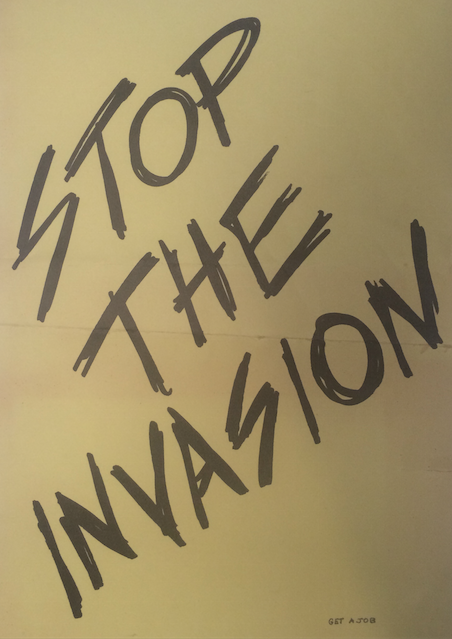
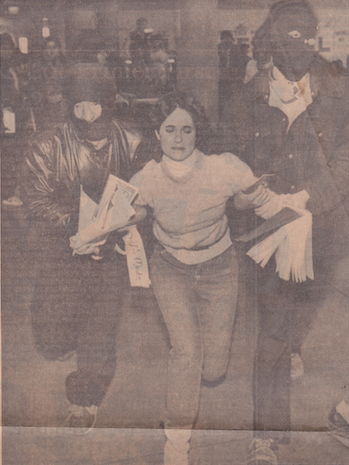
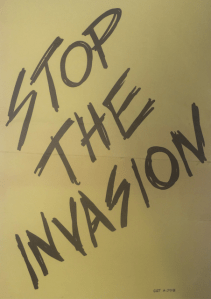
During the late l980s there were weekly protests on the issue of U.S. intervention in Central America.  That was during the time that Ollie North was engaged in criminal activities that supported repressive regimes in Central America.  After the picketing we often had potluck dinners where discussion of other “actions” would take place.  One night Sheldon Herman, Nate Butler, Kate Byrne, Eddie Gersh, and I sat in my kitchen on Logan Street and one thing led to another and we made up a poster that looked like scrawled graffiti. The “Stop the Invasion” poster became a Campaign of the same name.  The Stop the in Campaign (of Central America by the U.S.) STIC was born.  We hatched a plan for street theater that we realized later could have resulted in one or more of us being shot.  Four or five of us were posted in various parts of the city.  Nate Butler was out at the Kalamazoo Meijer, Liz Oppewal was in a County Commission meeting, Theresa Wylie was in the GRCC Student Commons and I was standing in front of the Amway Grand Plaza Hotel.  Each of us was kidnapped by a group of our cohorts dressed green  fatigues and black berets or with scarves covering their faces.  They represented government troops in Central America.  The screeched to a stop and piled out of an old VW van, we had stic-street-theaterborrowed, grabbed the “victim”, shoved them into the van and tore off.  The “troops” had cardboard weapons cut-outs of cardboard.  After our kidnappings other members of our group passed out leaflets explaining the terror of living in El Salvador where kidnappings and disappearances occurred daily.  Though we had alerted the Grand Rapids Police Department Community Affairs Unit in advance, they did not anticipate a problem until they got calls to 911 from people who thought the events were real.  Afterwards we realized that one of us or others could have been killed. I personally regret that some were really frightened.  Our message was pure but our delivery was not as well thought out. 
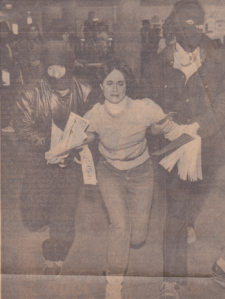
Another STIC action was a planned sit-in at the Gerald R. Ford Federal Building in the office of U.S. Representative Paul Henry.  We had announced the plan the day before and the “Feds” were ready for us.  There were fully armed U.S. marshals standing guard at all entrances to the building. Only staff was allowed inside. A group of about 10 or twelve gathered at the Calder Plaza next door and milled around for a while with our picket signs and then left using the stairway down to the underground parking lot. 

One of our members had gone out on reconnaissance the night before to find a way inside the Federal building. She located an underground tunnel from the parking ramp to the building .  The next day she led us down the steps, through the tunnel under the building and up a staircase to the office of the Representative Henry. You can imagine the reaction when our sleuth, Janet Mumaw, let the marshals know we had entered the office while they stood guard at the doors.   

Screen Shot 2015-10-05 at 4.02.01 AM

After an hour or two sitting-in at Rep. Henry’s office we were told to leave or we would be arrested.  Some left but two of us stayed.  Jeff Smith was one and I was the other. It was after 5:00 p.m. and the office staff and marshals wanted to go home. They called the Grand Rapids Police Department to come and pick us up and take us to the Kent County Jail.  GRPD Lt. Victor Gillis told them he would not send out officers to do what the U.S. Marshall could do themselves. The marshals came back to the closet where they had stored Jeff and me and told us we could just leave.  But we would not leave. They closed the door again and we could hear bits of conversation.  After a short while conferring the door opened again and we were grabbed by the arms.  Both Jeff and I fell to the floor, limp as rag dolls. They were terribly irritated and used several methods to “encourage” us to get up and walk but we deferred.  They ended up dragging both of us out of the office, down the hall, into the elevator, through the lobby and out the doors of the building.  One of the Marshals was kind enough to collect the lipstick and change that fell from my pocket and hand it to me before locking the doors.  It was a rather ignominious end to the event but it got our message out to a few more Federal officials.       

Did you build any lasting friendships based on your organizing work?

I did make many friends from the Freeze Campaign and the other organizing efforts afterward.  Some who were and continue to be like an expansion of family even after these many years. But even those who I have lost touch with are still part of an experience that shaped the last half of my life and I think of them most fondly. 

How did your involvement in the nuclear freeze movement impact your life after that campaign was over? image2
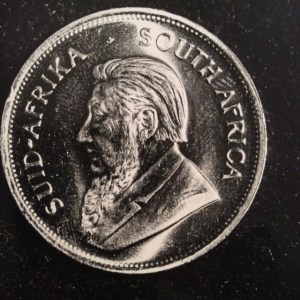
During the Freeze Campaign I became aware of other issues that the Institute for Global Education (IGE) was working on.  There were two other “working groups” beside those of us focused on the issue of nuclear weapons.  The Central America group was educating us on U. S. military intervention and indigenous movements there. The South Africa group worked (successfully) to get the Grand Rapids City Commission to pull city funds from companies doing business with South Africa, and less successfully to stop the local sale of Krugerands through a local jeweler, Randy Disselkon.  This description barely addresses the accomplishments of the IGE groups. 

Another impact that my involvement has had is that I have never entirely trusted experts or authorities since then.  Kate Byrne, an old friend and activist told me that “We are the experts, not them.”  I thought she was crazy but I came to believe it.”  In my thirty years as a neighborhood organizer I have learned to listen to those who are forced to live with the decisions of so-called experts. I believe we can live with our own decisions, even if not perfect, more comfortably than those of experts who we are told know what’s best for us. 

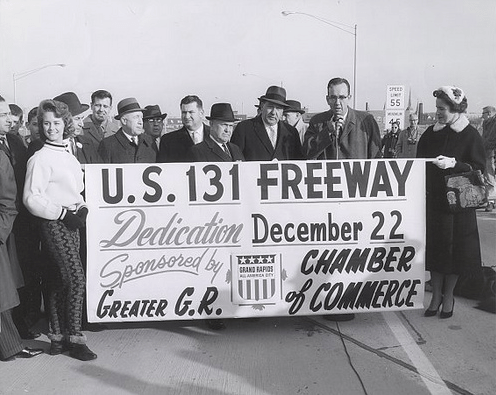
A personal example would be the destruction of the northwest side of Grand Rapids. I lived on Second Street and Lexington NW in the early 1960s and watched from my bedroom window as our neighbors across Second Street moved out and their homes were demolished.  Once the freeway was built we could not get to Zamiara’s Meat Market, Saint Adelbert’s Church, or neighbors on the other side of the freeway without adding three blocks to the walk, so we just stopped going there.

Our neighborhood existed only in memory after the freeway came through. In the late 1990s there was showing of a documentary prepared by Father Dennis Morrow called Under the Freeway that explored and exposed the political maneuvering and secret plans that the political and powerful used to tear up the west side while leaving other areas of the city relatively untouched. The names are still familiar in our community.

Even after 40 years, Westsider’s and their now-grown children turned up for that presentation in such large numbers that the event was moved from the Media Center at the West Side Library to the gymnasium at Saint James School next door. There, neighbors of the past intently watched the screen as they once again saw their old neighborhood, its homes and factories and businesses before they were wiped out by bulldozers.  One older man yelled out, “I delivered mail there for 40 years,” as he saw slides of homes hit with wrecking balls.  Over and over people cried out memories in the dark room and the rest of us understood.  Over four decades we still mourned the loss of the old West Side.

Why is it important for people to know about this local history?

Knowing about our local history helps us to understand some of the dynamics of how decisions get made and who makes them and why. Take for example how the highway impact the westside.

The decision to run the expressway through our Westside neighborhood had economic and social impacts on those of us who lived there.  We went from a mostly residential area with neighbors and relatives very close by, to a neighborhood cut in half.  When it was finished, the freeway rose high, like the Great Wall of China, over the rooftops of the homes left behind. 

Hundreds of people just disappeared from our lives.  My Aunt Vern Wittkowski was one of them. She and her son Karl, lived kitty-corner across the intersection from us. They disappeared from our lives when the expressway “took her house”. Our neighborhood, a comfortable if not particularly desirable area of the city, began to lose value as a place to live due to its location “under the freeway.”  Owners were replaced by landlords and homes began to deteriorate. 

My mother would have moved too, but the company that wanted to expand into the residential area of the neighborhood offered less for her house than she thought was fair. Years later she was forced to take an even lower offer much to her chagrin. Her negotiating skills were pretty good but Mr. Terry, of Miller Metal Products, got the better of her in the 1970s. That always irked her. At the end our house was the only one left on the block and it was surrounded by the walls of the factory.
Screen Shot 2015-10-05 at 4.14.47 AM

Our neighborhood, and others on the west side, was sacrificed to “get something moving” in a distressed downtown area, according to a June, 2014 Mlive series on Urban Renewal, by Garret Ellison.

   “In 1953, the state approved plans to build U.S. 131 though Grand Rapids, running the expressway west of the Grand River and avoiding the downtown business district. The new highway also helped facilitate the suburban growth. In no small way, the state and federal highway system became a driving force behind the desire to get something moving downtown.”

Our history tells us to speak up and current events motivate us to act up. Having access to the truth about local history fosters a certain attitude of suspicion and questioning in those of us who lived with the decisions made for us. With increased access to information about past injustice we are able to be more aware of the relationship between power, money and local and state political decisions. 

Over the years shared decision-making and transparency have become part of our local political scene and citizens are called upon to participate in large group exercises that result in thick plans detailing priorities and action steps on local issues.  I have been part of these groups and have read a few of  the resulting documents.  I end up irritated at what seems to be pandering, with long and detailed plans that don’t lead to significant change.

Without powerful local and national movements like Black Lives Matter (BLM), racial injustice would have continued unabated.  BLK has exposed an incredibly ugly underside of policing and incarceration in the United States.  None of this was news.  It had been spoken of for generations.  Because of BLM outrage, anger and action we finally have hope that real change might take place.   

I love that BLM has broadened its focus to demand justice for Black transgendered people and has challenged the rest of us to act up too.  That is a bold and brave step and I applaud the group for the courage to challenge their own membership. I am not sure of my place in that movement but I want to be there on some level. 

So, if local history has any importance at all, it is that it exposes injustice, fosters conflict and supports  the activism of those seeking justice. 
Posted in Anti-Nuclear Movement, Central American Solidarity Movement | Tagged , , , , , | 1 Comment

Honoring the Legacy of Milt Lennox

Screen Shot 2015-10-01 at 12.29.27 PM

Yesterday it was reporter that Milt Lennox, former owner and founder of the Apartment Lounge had passed away.

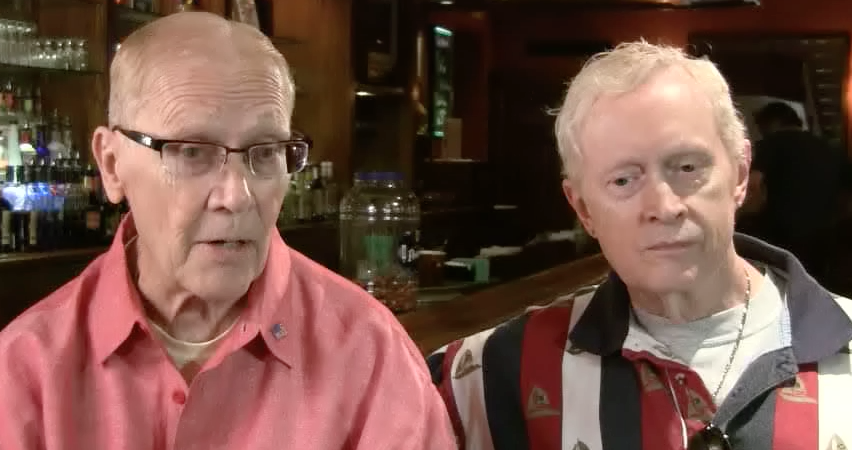
As a member of the LGBTQ community, Milt not only was a major supporter of numerous LGBTQ rights campaigns in West Michigan, he financially supported the work that was being done to improve the lives of those who identified as LGBTQ.

We interviewed Milt and his long-time partner Ed Ladner for the People’s History of the LGBTQ Community in Grand Rapids project in 2011. 

To honor the memory and legacy of Milt, we are posting the entire interview with Milt and Ed. The interview is a little over 1 hour, but the stories they tell are priceless.

Posted in LGBTQ Movement | Tagged , , , | Leave a comment

The Trial of Vern Ehlers: Dramatizing War Crimes

Screen Shot 2015-09-29 at 7.06.43 AMIn 2003, just months after the US invasion/occupation of Iraq had begun, activists in Grand Rapids with the People’s Alliance for Justice & Change organized a mock trial for then Michigan Congressman Vern Ehlers.

The mock trial was a piece of performance art designed to dramatize the human rights violations and war crimes that the West Michigan Congressman was complicit in, since he consistently vote for ongoing military operations and funding for the US military in Iraq.

The trial organizers did send a People’s Subpoena to Congressman Ehlers office in Grand Rapids, but he never responded. The trial script was written by John Rich, a script you can read here, along with supporting documents on the war crimes committed by the US military in Iraq, crimes which the Congressman supported.

The trial was also broadcast on the public access TV station, GRTV, as well as being posted on line. The video is 33 minutes long and involved several characters to address specific issues related to the US invasion/occupation of Iraq.

This action was part of a larger campaign by anti-war activists responding to the US war in Iraq.

Posted in Anti-War/Anti-Imperialism | Tagged , , | 2 Comments

The Role of Church & State in Native Displacement in West MI : Settler Colonialism in Grand Rapids Part II

Last month we posted a piece that names the founding of Grand Rapids as a manifestation of Settler Colonialism. We pointed out that Native communities that lived along the Washtanong, what Settler Colonialists now call the Grand River.

We also pointed out that there were a variety of tactics used to remove Native communities, a process that laid the foundation of the birth of Grand Rapids. Two of the main tactics used in the pacification of Native communities and ultimately their removal were a series of treaties and the role of christian missions.

The Law and Settler Colonial OccupationNative Treaties in MI

US expansion at the end of the 18th century and the beginning of the 19th century required the ratification of legal agreements between the young settler colonial government and Native nations. I use the term nations, because treaties can only be signed between two sovereign nations. This fact, while evident, needs to be restated, since there is ongoing denial about the sovereign status of Native nations and a blatant refusal by the descendants of settler colonialists that the land we current live on is occupied. As Native activist and member of the Little River Band of Ottawa Indians, Lee Sprague, regularly reminds people in his public talks, by saying, “I come from the land currently occupied by the State of Michigan.”

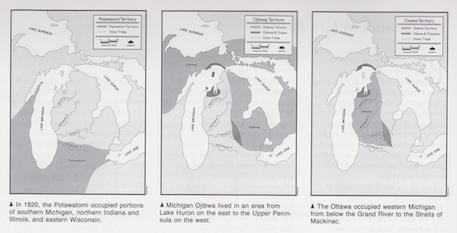
The territory that would eventually become the state of Michigan in 1837, was negotiated through a variety of treaties. (see map above). This series of treaties was signed by the US government with members of the Odawa, Ojibway, and Potawatomi nations. This map below shows the areas of land that were inhabited by the Odawa, Ojibway, and Potawatomi nations.

Native Presence in MI

The primary treaty that impacted what is now West Michigan, was the 1821 Treaty of Chicago. This treaty is significant, since it is with this treaty the process of land speculation and the construction of missions began along the Grand River.

The Treaty of Chicago was the major legal mechanism that allowed White Settlers to purchase and occupy land in West Michigan. However, it is important to note that between 1810 and 1830, when these treaties were being crafted and ratified between the US government and Native nations, the US recognized that the defeat of the British in the War of 1812 meant that England was no longer the primary barrier to US expansion. The primary barrier to US expansion was Native sovereignty.

While the Treaty of Chicago legalized relations with Native tribes in what settler colonialists call Michigan, the US government began to ignore such legal claims in their quest for access of more land. US Supreme Court Justice John Marshall began to interpret the US relationship with Native nations as problematic. Marshall put forth the notion that, “while native peoples are entitled to exercise some range of autonomy in managing our affairs within our own territories, both the limits of that autonomy and the extent of the territories involved can be ‘naturally’ and unilaterally established by the US.” (pg. 9, Perversions of Justice: Indigenous People’s and Angloamerican Law) In essence, Marshall’s interpretation of the law would eventually mean that Native land really belonged to Settler Colonialists and that Native people are simply an obstacle to US expansion. Thus the Marshall Doctrine began a period of forced removal of Native nations, implemented most vigorously by Andrew Jackson.

Therefore, even though there was a legal agreement between the US government and Native nations in Michigan, the expansion of white settlements superseded Native sovereignty. In the Michigan territories, forced removal was nothing like that of what befell the Cherokee nation, but with the assistance of christian missionaries, Native communities would decreased in numbers while white settlers began to slowly take control of the land along the Grand River.

Churches and the Expansion of Settler Colonialism in West Michigan

Before we look at the impact that christian missions had on Native communities in what is now Grand Rapids, it’s important to have a framework in which to understand this history. The United Nations Convention on Genocide  provides clear principles for determining when genocide is committed. It is important to note that their definition is not simply limited to the physical destruction of Indigenous people, but can also include forced relocation and transferring children from one group to another.

In addition, the Genocide Convention provides insight into biological genocide (forced sterilization) and cultural genocide (suppression of language or religion). On the matter of cultural genocide, important questions are raised on the targeting of Native people by christians to convert. Does this qualify as cultural genocide?

We know that hundreds of Native children from the Three Fires Nations were taken and put into boarding schools by settler colonialists, many of which were run by christians. In these instances Native children were denied the right to speak their own languages and practice their own spiritual traditions. Most of the removal of Native children from their communities happened in the later part of the 19th Century and first half of the 20th Century.

However, on the matter of christian missions attempting to make converts of Native communities in the 1820s and 1830s along the Grand River, it is less clear on whether or not this could be defined as a form of genocide. How much free will did Native people have on choosing another religion? Was the adoption of christian beliefs a form of assimilation into the dominant culture and was it tied to larger socio-economic issues like food and land?

It should come as no surprise that right after the 1821 Treaty was signed, the first christian missions came to what is now West Michigan. The Baptist Church established a mission in 1824, under the leadership of Isaac McCoy, and Catholic missions were begun in 1833 by Fr. Frederic Baraga.

One of the things that lured missionaries to the area after the signing of the Treaty of Chicago, was a provision in the treaty which allowed funds for people to work as teachers of blacksmiths amongst the Native people along the Grand River. The government treaty called this, the “civilization fund,” a phrase that underscores the settler colonial mentality.

Isaac McCoy first arrived in 1823, only to discover: “Many Odawa were drinking and few responded to his call for a council. After some inquiries McCoy learned that the majority regarded the 1821 treaty as fraudulent and viewed his visit as an attempt to trick them into ratifying it.” (pg. 7, from Gathered at the River: Grand Rapids, Michigan and Its People of Faith)Screen Shot 2015-09-23 at 10.30.24 AM

Such a statement reflects not only that the Native people along the Grand were not in support of the government imposed treaty, but that many Natives were negatively impacted by alcohol. Alcohol was introduced by French fur traders, particularly Louis Campau and should be seen as another tool used by settler colonialism to control Native people.

McCoy, however, was not deterred from his initial observations and continued to use all means at his disposal to “win over” the hearts and minds of Native people. In 1826, McCoy set up the Thomas Mission on the westside of the Grand River (as shown in this map). McCoy’s greatest contribution during his time along the Grand River was his relationship with Native leader Nawequageezhig, whom the white settlers call Noonday.

Noonday was one of the few Native leaders who signed the 1821 Treaty of Chicago and was viewed by many as a traitor or collaborator with the settler colonialists. Noonday went as far as to be baptized by McCoy’s successor, Rev. Leonard Slater in the summer of 1827. Another Native leader in the area, Kewwaycooshcum, also known as Blackskin, did not sign the 1821 treaty, but did develop a relationship with the catholics through his connection to Campau. It is hard to know from the limited documentation of that time, whether or not the Native people were using the tensions between the various christian factions to their benefit or if the christian were using Native compliance with the government as a means to an end. One gets a sense of the christian rivalry in a comment from Fr. Baraga, who said, “Mary, to who it is given to root out all heresies of the world……to destroy the false [Protestant} teachings with which some of the poor Indians were already infected, and suffer on His gospel to reign everywhere.” (pg. 12, from Gathered at the River: Grand Rapids, Michigan and Its People of Faith)

However, whatever tensions existed, they were most useful in pushing Native people out of the area as more white settlers came to the area. This increase in settlers, along with greater desire for land and settler colonial expansion resulted in a new treaty being drawn up, the Treaty of Washington in 1836. This treaty turned over an additional 13,837,207 acres of land to settler colonialism’s expansionist desires.

It seems that all along, the goal with relations of Native people along the Grand were to take the rest of their land. Whether or not there was direct complicity with the early christian missions to this land takeover is not relevant, the fact remains that they did nothing to resist such an effort.41Dac0+qZuL._SX331_BO1,204,203,200_

The end of chapter one from Gathered at the River: Grand Rapids, Michigan and Its People of Faith, states of the fate of Native people in West Michigan:

Keeping title proved difficult, however, as fraud, inexperience, and incompatibility of family farming with tribal tradition took their toll.

It indeed took its toll, but the authors of Gathered at the River do not call it land theft or settler colonialism or even acknowledge the role that early missions played here in the ongoing genocidal policies of US expansionism. The plight of Native people is not addressed in the rest of the book, which simply goes on to celebrate the history of christian churches in Grand Rapids. However, it seems apparent to this writer that the history of christianity in West Michigan is founded on genocide and settler colonialism. We would do well to acknowledge this history to inform how we move forward in the struggle for justice today.

Posted in Indigenous Resistance | Tagged , , , , , | 19 Comments

Campaign to Boycott Salvadoran Coffee was part of the Grand Rapids Central American Solidarity Movement in the early 1990s

The US backed counterinsurgency war in El Salvador saw one of its darkest days in Savadoran Coffee BoycottNovember of 1989, when Salvadoran soldiers (many of them trained at the US Army School of the Americas) murdered six catholic priests, their cook and her daughter.

This atrocity sparked all kinds of reaction by US activists working Central America, even in Grand Rapids, as we have documented in a previous post. However, several Grand Rapids activists also joined a national campaign that had begun shortly after the six Jesuit Priests were killed, a campaign organized by the group Neighbor 2 Neighbor.

Neighbor 2 Neighbor was a west coast entity that had as its main organizer Fred Ross Jr. Fred’s dad, Fred Ross Sr. was a long time labor organizer who had trained Cesar Chavez. Fred Jr. continued his fathers’ work and the first campaign that Neighbor 2 Neighbor organized was a boycott of Gallo wine in the 1980s.

The send campaign that Neighbor 2 Neighbor organized was the Salvadoran Coffee Boycott Campaign, right after the massacre of the Jesuits, their cook and her daughter in 1989. The goal of the campaign was to get local organizers to get people to boycott the Folgers brand of coffee, which relied heavily on Salvadoran coffee beans, to get local cafes and grocery stores to not carry Folgers and to get local TV stations to run a PSA, which Neighbor 2 Neighbor developed.

Grand Rapids activists used the Neighbor 2 Neighbor Campaign material and got several grocery stores to not carry Folgers. Some of those stores also displayed the poster here. Screen Shot 2015-09-17 at 12.35.45 PMGrand Rapids organizers also circulate the flyer posted above to numerous community based organizations to get them to not buy Folgers and post by the coffee machines in the offices they worked out of.

In addition, Grand Rapids organizers attempted to get local TV stations to run the Neighbor 2 Neighbor PSA about the Salvadoran Coffee Campaign, but WOOD TV 8, WZZM 13 and the PBS affiliate, WGVU, all refused to air the PSA. The only place that Grand Rapids organizers could air the PSA was on the local cable access station, GRTV.

This campaign exists in Grand Rapids for two years, until the cease fire took place in El Salvador in early 1992, which began the process of ending the decade long US financed counterinsurgency war.

It is also worth noting that the coffee boycott campaign pre-dated any of the current Fair Trade or Direct Trade coffee campaigns that currently exist.

Posted in Central American Solidarity Movement | Tagged , , | 1 Comment

The Wall of Fame: Wealth and Influence at GVSU

When reading radical historian Howard Zinn’s, A People’s History of the United States, it becomes clear early on that one can not talk about social movements without talking about the power structures that those movements fought against.

Whether it was slave owning class, robber barons, war profiteers, White Supremacist power structures or other sectors of power, Zinn makes it clear that every major social movement experienced push back from these structures of power. Some of the individuals of these power structures in Grand Rapids are enshrined on the walls of one local university.GVSU Hall of Fame

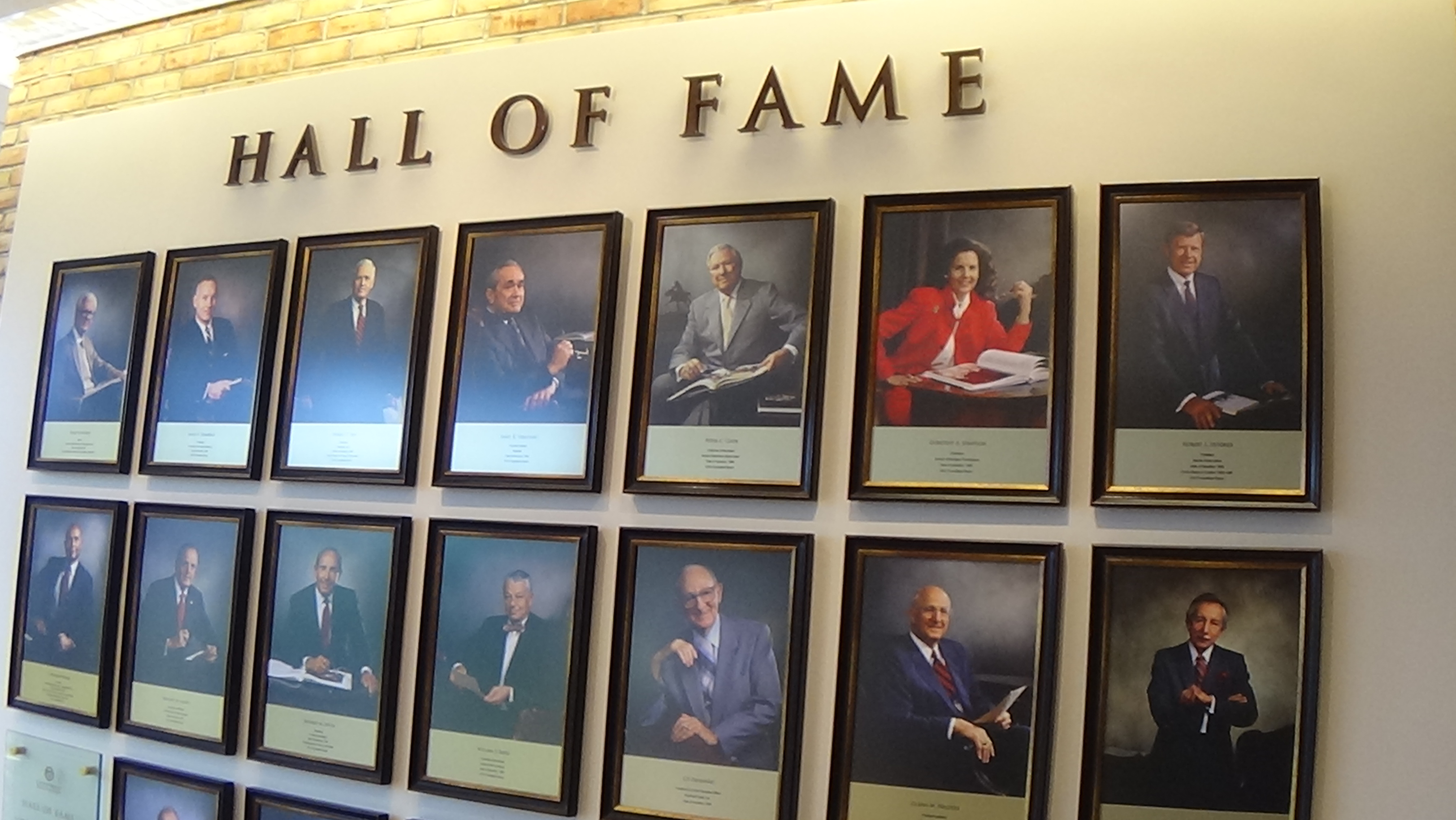
If one has ever attended an event at the GVSU downtown Grand Rapids Campus in the Eberhard Center, they would inevitably come across what the university calls the Hall of Fame.

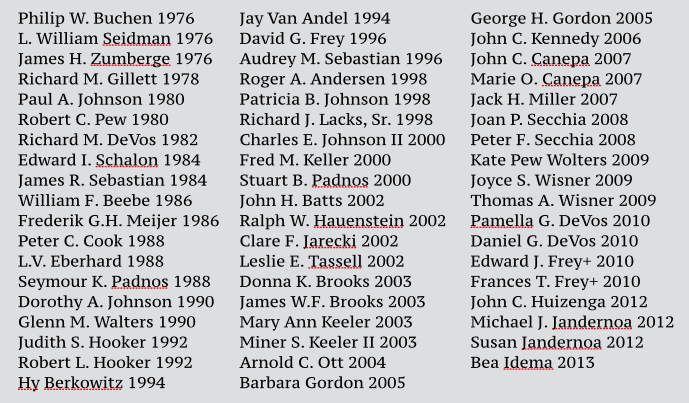
On two walls on the second floor of the Eberhard Center there are currently 56 framed photos of people whom Grand Valley State University gives special honor. Most of these 56 individuals have been or are currently part of the local power structure, in that they represent both members of the capitalist class that have either donated large sums of money to the university and often influenced campus policy.

Here is a list of the 56 and the year they were inducted into the GVSU Hall of Fame.

Screen Shot 2015-09-14 at 2.09.34 AM

Grand Valley State University used to be Grand Valley States Colleges, consisting of William James, Thomas Jefferson, Seidman School and College IV. William James College (WJC) was very progressive and experimental in its approach to education. WJC attracted faculty from all over the country, including many feminists who developed radical programs like Women, World and Wonder. Some of these women who taught at William James or Thomas Jefferson Colleges (both of which were closed by 1983) were also part of the radical feminist group in Grand Rapids, known as Aradia.

Many of the members of Aradia were also lesbian and were part of an effort in the 1990s to get GVSU to adopt domestic partner benefits. Based on interviews we conducted for the film, A People’s History of the LGBTQ Community in Grand Rapids, GVSU was set to adopt domestic partner benefits in 1995. However, word of the proposed policy was leaked to a GR Press reporter who wrote a story, which resulted in pressure from major financial donors (Richard DeVos and Peter Cook) threatening to with hold money if the university adopted such a policy.

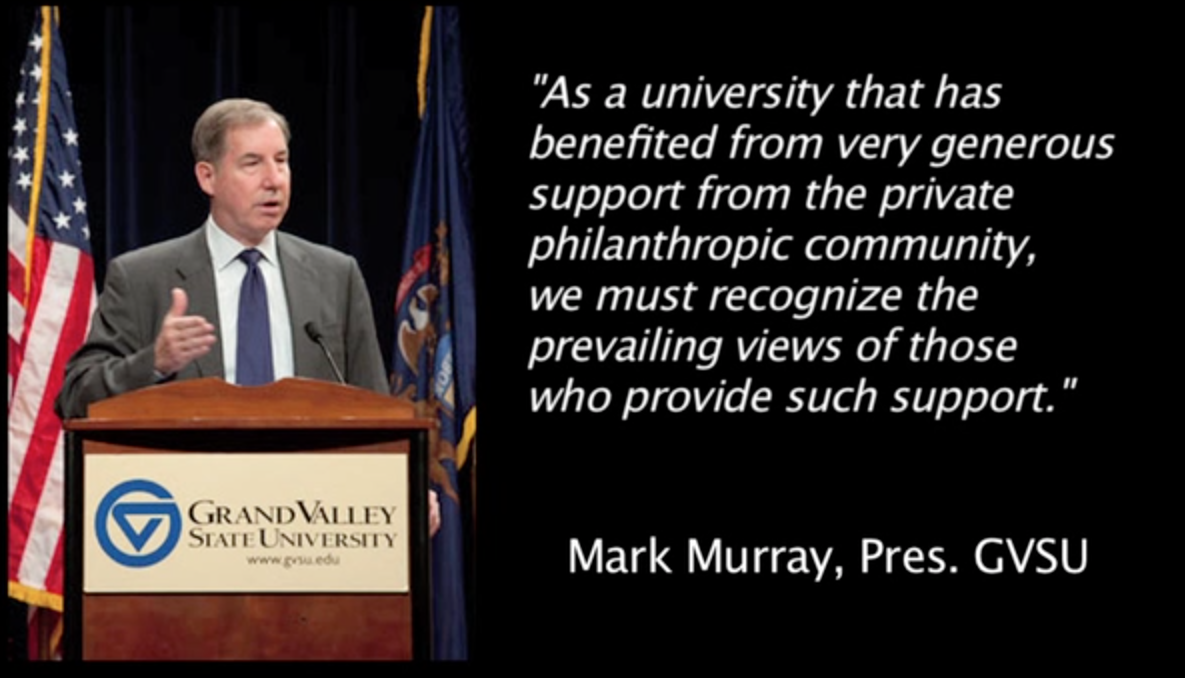
A second attempt was made in 2003, to get domestic partner benefits passed at GVSU, but then President Mark Murray blocked the attempt. Murray stated at the time, “As a University that has benefited from very generous support from the private philanthropic community, we must recognize the prevailing views of those who provide such support.”

Screen Shot 2015-09-14 at 1.49.50 AM

This statement by Murray underscores the power that donors have had on policy at GVSU. This reality is consistent with the kinds of political and economic influence those in the Hall of Fame have had and continue to have in Grand Rapids. Many of those on the Hall of Fame continue to be involved in organizations like Grand Action, The Right Place, the Grand Rapids Chamber of Commerce, the Acton Institute and the West Michigan Policy Forum

Many of those on the Hall of Fame have acquired wealth through the exploitation of others and have used their wealth to advocate for anti-worker policies, have funded anti-LGBT and anti-choice efforts, as has been documented elsewhere and should be seen as part of a larger local power analysis

For working class people, those who identify as LGBTQ, communities of color and feminists, this Hall of Fame would more aptly be named a Wall of Shame or even a Wall of the Despised, considering the collective harm that has been done by those enshrined on the walls at GVSU.

Posted in Anti-Capitalism/Labor | Tagged , , , | 2 Comments

When Grand Rapids Saw Red: Early Grand Rapids Labor History Part II

(This is Part II of a two part series by local labor historian Michael Johnston. Click here for Part I)69b654445a898651ae8f81c27a64d28e

It didn’t matter that he was dressed in his army uniform, medals for heroism pinned to his front shirt pocket. It didn’t matter that it was Armistice Day (now called Veteran’s Day). It didn’t matter that he had a legal right to defend his union hall from mob violence.

The postmaster, the banker’s son and other leading citizens of Centralia, Washington, wanted to make an example of this hero turned red and they got him after a short gun battle. Someone slammed a rifle butt into his mouth shattering his teeth. That night they dragged him from his jail cell, castrated and lynched him.

It was the year 1919. Wesley Everest was back from Europe after fighting to “make the world safe for democracy.”

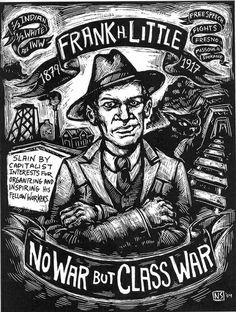
One-eyed, half Indian, half White labor organizer Frank Little didn’t fare very well either. In the dark early morning hours of August 1, 1917, copper owners and their henchmen dragged Little from his room next to Miner’s Union Hall, took him to the outskirts of Butte, Montana and hung him from a railroad trestle. Another red was dead and the nation’s press loved it. No one was ever arrested for the murder.

Joe Hill was also a union member. However, this poet, songwriter and sometime farm worker, copper miner and construction worker was unjustly tried and executed by firing squad by the State of Utah on November 19, 1915.joehillstandstill

Reds, but not communists, these men were leaders of America’s most famous labor union, the Industrial Workers of the World, the IWW, the legendary Wobblies. Writers of labor’s anthem “Solidarity Forever,” they were the inventor of the sit-down strike and flying picket lines. They practiced non-violence and welcomed all to the ranks of organized labor, women, black and non English speaking immigrants from Eastern Europe. They courted the skilled trades and furiously organized the masses of unskilled: copper and silver miners, in Arizona, Colorado, Utah, Nevada and Montana, iron miners in Minnesota, lumber jacks in Oregon, Washington and Idaho; textile workers in Massachusetts and New Jersey, harvest hands in North Dakota, California and South Dakota; timber workers in Louisiana; auto workers in Detroit; rubber workers in Akron; electrical workers in Schenectady, longshoremen in Philadelphia and garbage wagon drivers in Grand Rapids. They never numbered more than 100,000 members at their peak in 1923, yet they terrified big business and the government. members were hounded, branded, beaten, deported, jailed and lynched.

Wobbly soapboxers storm Grand Rapids

C13KWK WAKE UP AND JOIN THE I.W.W. Recruitment poster shows workers sleeping in bunks labeled LONG HOURS, POVERTY, and WAGE SLAVERY. Ca

C13KWK WAKE UP AND JOIN THE I.W.W. Recruitment poster shows workers sleeping in bunks labeled LONG HOURS, POVERTY, and WAGE SLAVERY. Ca

They made their official appearance in Grand Rapids in 1910. Local No. 202 was chartered as a furniture workers local but quickly became a mixed local of all kinds of workers sharing the Wobbly philosophy of “one big union” of all workers. In typical IWW fashion, local Wobblies took to the streets to get their message out to the “working class” of Grand Rapids. They handed out flyers, held street meetings, and rented halls to point out the evils of the “American Separation of Labor,” and the foolishness of craft unionism. Their ideas of “revolutionary industrial unionism” would later be picked up by the CIO in the thirties and become the basis for powerful and the powerful and progressive UAW. 

Wobbly style freedom of speech didn’t sit too well with some in the “Valley City,” as Grand Rapids was nicknamed then.

“The mayor has refused the IWW permission to speak on the streets, as he has Mormons, who carried the matter to the city council, which upheld the mayor.”

In April 1911, Big Bill Haywood, General Secretary Treasurer of the IWW arrived in Grand Rapids during the “great furniture strike.” As a member of the Socialist Party, he was here to talk to the small, but influential Socialist Party chapter. Local 202 offered moral support but had too few members to have any effect on the strike.

Wobblies analyzed the 1911 Furniture Strike in Grand Rapids

However, in a series of articles in the Industrial Worker, the union’s second national newspaper, the union reported on the strike and predicted its failure. Writing under the pen name, OL Wakeup, this unknown writer knew the labor situation in Grand Rapids intimately.

The workers seem to be contented with their lot. The dominant nationality is Hollander and the majority of these workers come from the farming communities and small settlements in Holland, where the standard of living is low. The population is God-fearing and law abiding, the ministers dominate and conservatism prevails. The children of these workers are duly impressed by their parents and the dominic that the church is the whole thing…….while the churchgoing conservative Holland element dominates the present. The majority of the members of Local 202 and the most revolutionaries are Hollanders, who come from the large industrial centers of Holland, where radical and revlutionary ideas and non church goers are more prevalent.Screen Shot 2015-09-04 at 4.40.03 AM

OL Wakeup also knew the sly way in which Grand Rapids was kept an open shop town:

Large families and home buying are other means for keeping the workers conservative and timid…….

The workers here, judging by the visible evidence, have certainly faithfully followed the divine command to increase and multiply so that there may be lots of unemployed slaves competing for jobs on the market…..

In my 24 years of experience all over the US I have observed that those cities where large numbers of workers owned their homes were always low wage, long workday, open shop towns.

In this city where the industrial committee of the Chamber of Commerce sends out literature for the purpose of inducing or seducing other manufactures to locate there, the chief inducement is that Grand Rapids has a large supply of contented, home owning labor and that the disadvantages in regard to shipping facilities are more than offset by the cheapness of labor. The home owning proposition is put up in a very attractive package, but if the worker will stop to think it over and will not permit his sentiment to becloud his reason, he will perceive that it is good for the real estate shark.

For instance, they sell you a $1,500 or $2,000 house for $2,800, you pay $250 or so down and the rest on easy terms, the same as rent, say $15 a month. You pay six percent interest.

Then when you get caught on the home buying stunt, all your spare time and what money you can get hold of goes to improving the place……that is the home buying psychology and the real estate sharks know it. You get so you can’t or won’t think about anything but owning the home and hanging on to a job at any price.

IM000222.JPG

IM000222.JPG

Frank Bohn, a famous IWW orator set up his soapbox at Veterans Memorial Park during the strike. In 1912, the IWW tried to get a raise and a reduction in hours for the wagon garbage drivers in the city. Because they were part of the city’s health department, the Wobblies again found themselves facing the wrath of Mayor Ellis.

Edward Ruthven, isted as living at 55 Lyon Street, served as the spokesperson in this area for several years. The IWW would not again appear in Grand Rapids until the late seventies when the Eastown Community Association print shop received the union shop label. It closed in the eighties. Then in the late 1990s, the IWW appeared again, gaining national attention for organizing at local Starbucks beginning in 2007. 

Posted in Anti-Capitalism/Labor | Tagged , , , , | 4 Comments

Early Labor History in Grand Rapids, Part I

(This is an article written by local labor historian Michael Johnston and is re-printed with permission from the author.)kidd

In 1900 Grand Rapids was a bustling river town, not fully settled, but no longer frontier. The red light district was located in the river valley while the mansions of the wealthy overlooked the city from Heritage Hill.

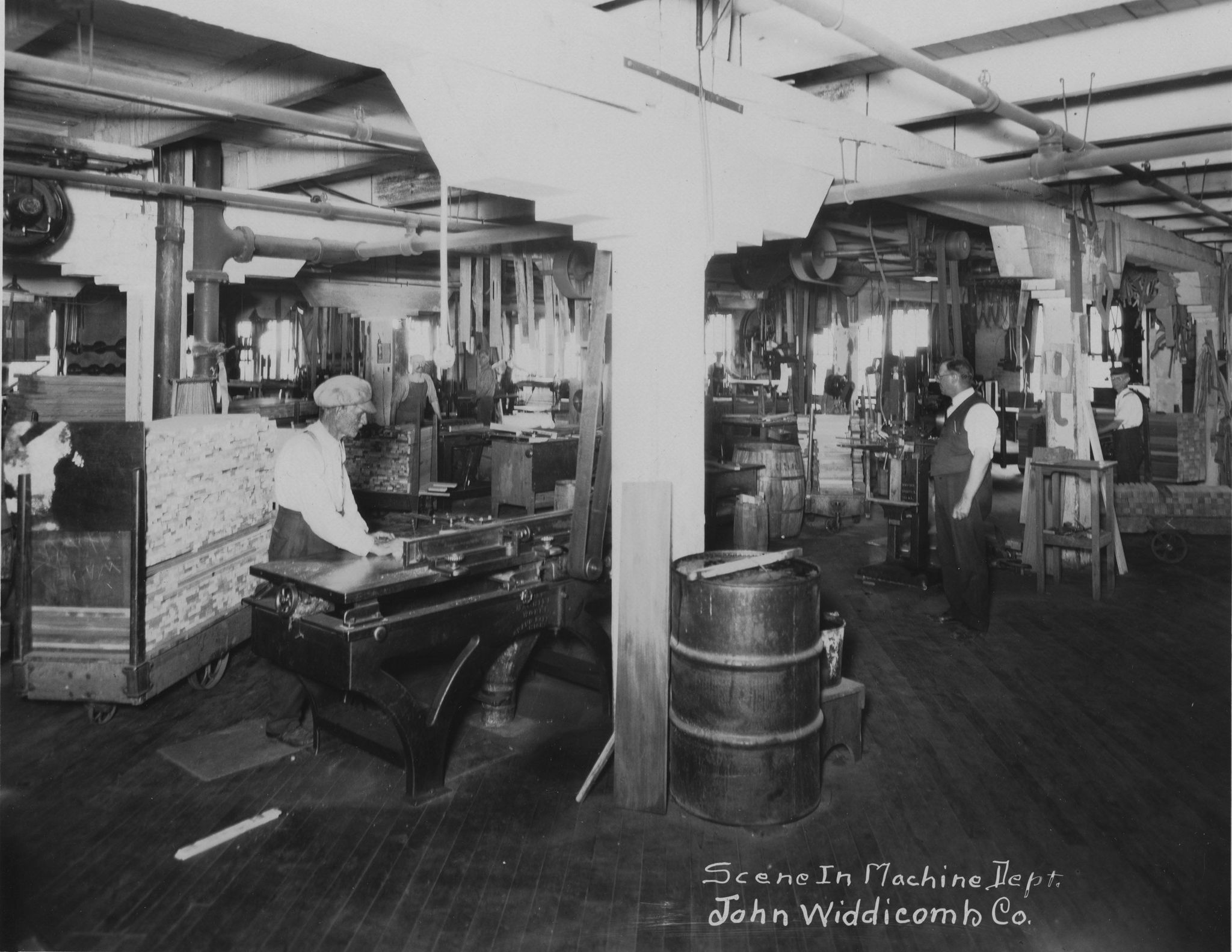
Only seventeen years earlier, the last great log run swept away the railroad bridge near Ann Street. Crowds gathered along the banks of the Grand River to watch as thousands of white pine logs created a jam seven miles long and thirty feet deep. Perhaps this is why so many furniture factories started in the “valley city” — cheap wood, cheap water power, and cheap labor. Scattered along the river and throughout the city were 85 furniture and woodworking factories. Berkey and Gay, Widdicomb, American School Furniture Co. (American Seating), Sligh, Stickley Bros. and others were just then making this medium size city of 87,576 the furniture capital of the United States, a title it held until the Great Depression.

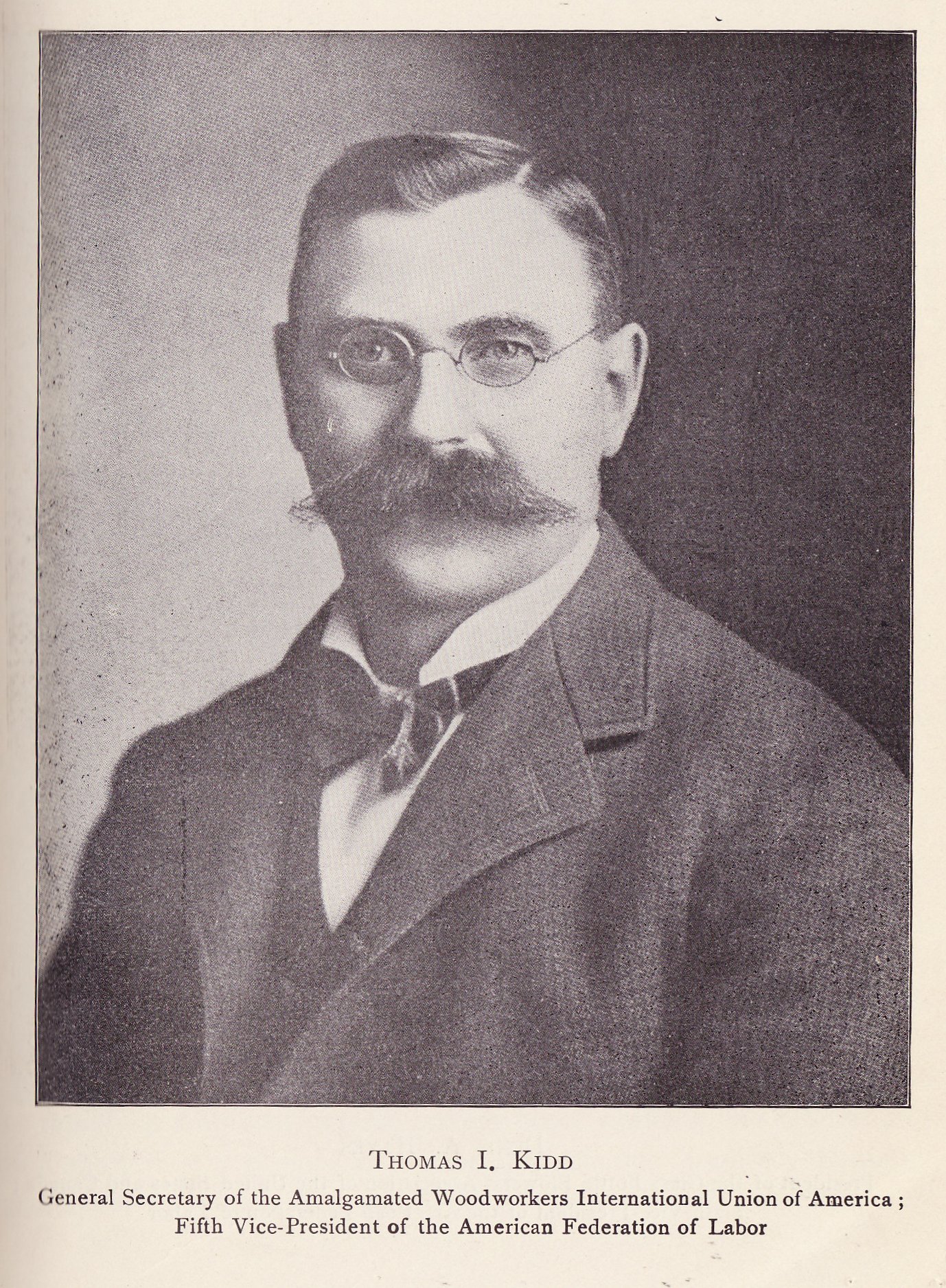
It was this cheap labor that bothered Thomas Kidd, secretary of the newly formed Amalgamated Wood Workers International Union (est. 1895). Low Grand Rapids wages were depressing the earnings of his members.

If the union was to grow, Grand Rapids workers needed to be brought into the fold. Kidd made numerous speaking trips to the city passionately and eloquently presenting his case to the English, Irish, German, Dutch, Polish, and Lithuanian finishers, rubbers, cabinet makers, sanders, and machine hands who compromised the 7,000 workers of Furniture City, USA.

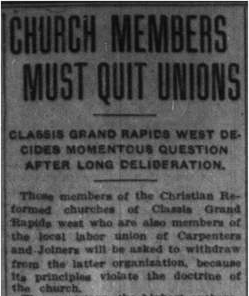
“The most foolish and silly thing the working men have done of late years is to allow themselves to be kept divided by the religious question. Who ever heard of a corporation, a trust, or a combination of any kind, of capitalists allowing any question foreign to the objects for which they are organized to enter into their consideration at all? Everything likely to create discord is wisely cast aside, and all keep their eye on the main thing — the dollar. That is what they are after.”

“All the institutions of the country are used against us, even our chump of a president, Grover Cleveland [enthusiastic applause] and our condition will never be improved with being a better Democrat or a better Republican. Is all this not enough without our quarreling over questions of faith and thus assisting the enemy to bind us still tighter? [Many of the Dutch were opposed to trade unions.] The working men of this country are gradually but surely getting behind those of other countries. I am a Scotsman and I never worked over eight hours per day, nor on Saturday afternoons until I cam to this progressive country.”

“The union label is the coming power, and it will do away with strikes. The wood workers have adopted a label and already a furniture manufacturer in Chicago is using it on all his furniture, and a Minneapolis manufacturer will at one begin using 22,000 labels a week, and there will be no more strikes there. Furniture without the label can easily be boycotted through the central bodies in other cities.”john-widdicomb-co-machine-department-91449cb03cc0a5ab

“In comparison with other furniture localities, wages here are fairly good, but if the workers here remain unorganized it will only be a matter of time when the employers will have to cut you still lower in order to compete with furniture from other parts. Reason as you will, experience proves conclusively that you will never get better wages unless you organize. In Oshkosh and Marshfield, Wisconsin, wages were as low as five cents an hour before unions were organized in those places, and the men were working eight hours a day, forty cents a day! Just think of it. Do you want to come to that? If you do, continue to go it alone, each man for himself, and you will get it, just as sure as you live.”

Despite Kidd’s best efforts, Grand Rapids Local 46 and Spindle Carvers Local 84 never numbered more than 200 members. In March, the AWWIU held its national convention in Grand Rapids. If the workers would not come to the union, the union would come to them. As hosts, Local 46 and 84 hand made convention badges of “white maple veneer handsomely lettered and mounted.” Sixty-eight delegates attended the week long session.

Most were German immigrants with a few English, French, and Swedes thrown in. The constitution was amended and union policies debated. However, all was not work. Germans, being Germans, and definitely not following the temperance fashion of the times, attended a social session held for the delegates entertainment:

“When the social session opened at 9 p.m. the hall was crowded, over four hundred present. ‘Elk’s mil’ was the first order of business and after several trips of the white-aproned dispensers, the fun began.”

An invitation was sent by the delegates to the local furniture manufacturers inviting them to meet with the union’s officers to discuss the advantages of the union label. Sligh, Rettig & Sweet, and the Luce Company agreed to meet.

The appointed time came and went, but no furniture representatives.

Screen Shot 2015-09-02 at 9.12.54 AM

Unwilling to was the evening, the AWWIU officers decided to take in a performance at the Powers Theater. And what should be playing but “Sappho,” a performance so risqué, with the actress who portrayed a Greek heroine baring her arms and feet, that it had been banned in New York City and Kalamazoo, Michigan.

However, this was not the only thing laid bare that night. It seems the lure of culture was too strong for even upright, respectable businessmen, for there, seated in the crowded theater, were the errant furniture barons.

Epilogue

Kidd never did organize the furniture workers of Grand Rapids, despite his charismatic appeal and unceasing efforts. It would take another organizer and another union to lead Grand Rapids furniture workers in the Great 1911 Furniture Strike.

Posted in Anti-Capitalism/Labor | Tagged , , , | 8 Comments

Archival photo from Central America Solidarity Protest in the early 1980s Grand Rapids

(Thanks to Barb Lester for sharing this photo.)No aid to El Salvador

As we have written in the past, there was a lively Central American Solidarity movement in Grand Rapids in the 1980s that lasted well into the 1990s.

Those who organized in the 1980s around the US sponsored counter-insurgency wars in Central America, used a variety of tactics, such as public forums, newsletters, sponsoring speakers from Central America, marches, financial support for popular movement in Central America, sit ins and other forms of civil disobedience.

The photo featured here is from the early 1980s, where every Wednesday activists would gather on the old Monroe Mall to protest US policy in Central America. In this photo, the focus was on El Salvador, which in the 1980s, was the recipient of $1.5 million a day of US military aid. This military aid supported what many people at the time referred to as a “death squad government” in El Salvador.

Featured in this photo are, from left to right: Barb Lester, Matt Goodheart, Walter Bergman (seated in Wheelchair), unidentified man, Tim Peiri and Sister Helen LaValley.

Posted in Central American Solidarity Movement | Tagged , , , | Leave a comment